Delta Schelde CO₂nnection
Project
The Delta Schelde CO2nnection (DSC) is an initiative for an underground CO2 pipeline between the Belgian border near Antwerp and Moerdijk in the Netherlands. The initiative forms part of a plan for a larger network that will transport CO2 captured from industry to depleted gas fields deep beneath the North Sea, where it can be safely stored.

In this way, the Delta Schelde CO2nnection can contribute to reducing CO2 emissions while supporting the long-term sustainability of industry in Belgium and the southwest Netherlands.
Why transport and store CO₂?
The Netherlands and the European Union have agreed to significantly reduce CO2 emissions, with the aim of achieving climate neutrality by 2050.
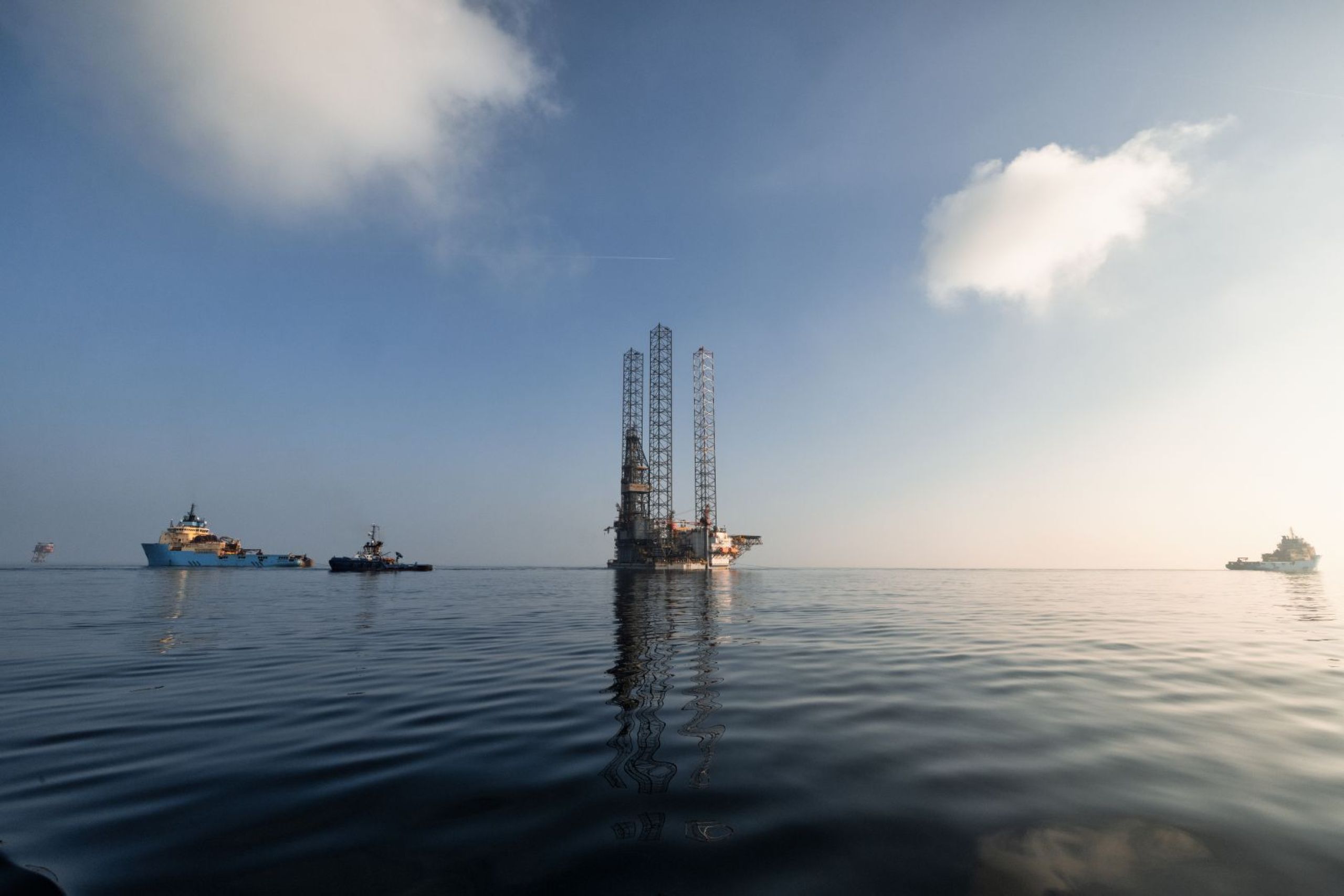
One way of contributing to this goal is by capturing CO2 before it enters the atmosphere and storing it safely, a process known as Carbon Capture and Storage (CCS). To facilitate this, Gasunie is developing a network for the transport of CO2. The CO2 is transported to depleted gas fields deep beneath the North Sea seabed, where it is safely stored. This helps reduce emissions while enabling industry to remain in place and continue its transition towards more sustainable operations.

How does the Delta Schelde CO₂nnection work?
The Delta Schelde CO2nnection is intended to become part of a growing CO2 network that can safely transport and store large volumes of CO2. Companies in Belgium and the southwest Netherlands can capture their CO2 emissions and deliver them into the Delta Schelde CO2nnection system.
Near Moerdijk, the Delta Schelde CO2nnection will connect to the Delta Rhine Corridor. This pipeline will transport the CO2 onwards to the Maasvlakte industrial area near Rotterdam. From Maasvlakte, the CO2 will be transported to depleted gas fields deep beneath the North Sea seabed, for example via the Aramis CO2 infrastructure.
For the transport of CO2 from Belgium, Gasunie is working together with Fluxys. This will create a cross-border connection that supports industrial decarbonisation. Future connections to other industrial areas are also being taken into account, allowing the network to grow in line with future demand. In this way, the project contributes to Dutch and European climate ambitions while supporting a strong and sustainable industrial base in Northwest Europe.
What is needed for the Delta Schelde CO₂nnection?
To transport CO2 safely and efficiently, the initiative consists of:
- a connection to the Fluxys CO2 transport pipeline in Belgium
- a CO2 pipeline transporting CO2 in its gaseous phase
- a compressor station that increases the pressure of the CO2 (from gaseous to dense phase)
- a CO2 transport pipeline for CO2 in dense phase
- valves and safety systems along the pipeline route
- a connection to the Delta Rhine Corridor CO2 transport pipeline
Where will the Delta Schelde CO₂nnection be located?
The exact route of the Delta Schelde CO2nnection is still being investigated. The pipeline will be approximately 45 kilometres long and is planned between the Belgian border near Antwerp and Moerdijk.
A key principle of the project is that the pipeline will be installed underground within a corridor reserved by the Dutch government for pipeline infrastructure (the LSNed and PEH corridors). Above ground, a compressor station will be required. A suitable location for this facility has yet to be determined.
Planning
A project such as the Delta Schelde CO2nnection requires an extensive process of studies, participation, decision-making and permitting before construction can begin.
The Delta Schelde CO2nnection is of national importance. Therefore, decision-making for the project follows the Dutch Government's project procedure, the successor to the former National Coordination Scheme.
This procedure follows a fixed number of steps, is coordinated by the Dutch Ministry of Economic Affairs and Climate Policy (EZK), and ultimately results in a Project Decision. More information about the project procedure can be found on the website of the Dutch government.
The procedure is expected to start in early 2027 with the publication of the Notice of Intent and Participation Plan and the draft Scope and Level of Detail Report (NRD). This publication will be announced in the Staatscourant. For a period of six weeks following publication, everyone will have the opportunity to submit a response to the plans. During this period, the Ministry and Gasunie will also organise a number of information meetings to provide further information and explanation.
Once the Project Decision has been issued and all permits have become irrevocable, construction can begin, currently expected in 2031.
More information
For local residents, municipalities and public authorities
Do you have questions about the project or would you like to learn more about what it could mean for your area? Please contact Lisette Le Clercq.
For companies interested in CO2 capture and transportation
The Delta Schelde CO2nnection is intended for companies in Belgium and the southwest Netherlands that wish to capture CO2 and have it transported for safe, permanent storage beneath the North Sea.
Are you interested in delivering captured CO2 into the network? Please contact Johannes Andriessen.
More information
Contact Lisette Le Clercq

More information
Contact Johannes Andriessen

For more information about the overall carbon capture and storage process, please click here.
News & updates CO₂
News
-
The Netherlands as the heart of Europe’s CO₂ network
-
Agreements on CO₂ transport between the Netherlands and Germany were finalised during the state visit
-
The North Sea offers ample opportunities for carbon storage