
Heat
Heat
A warm living room, a warm shower, a warm greenhouse with tomatoes — about 40% of the energy we use is spent on heating. A sustainable way of heating we can expect to increasingly see in the future is heating using a heat grid (also called ‘district heating’). District heating networks form a key alternative to natural gas in the built environment and a concrete solution to grid congestion.

What is a heat grid?
Heat from a renewable source
Heat developments
Projects
Gasunie wants to invest in large-scale heat infrastructure and play a role in the management and maintenance of large-scale heat networks. A role that suits us perfectly, given our many years of experience with the management and maintenance of gas infrastructure.

WarmtelinQ
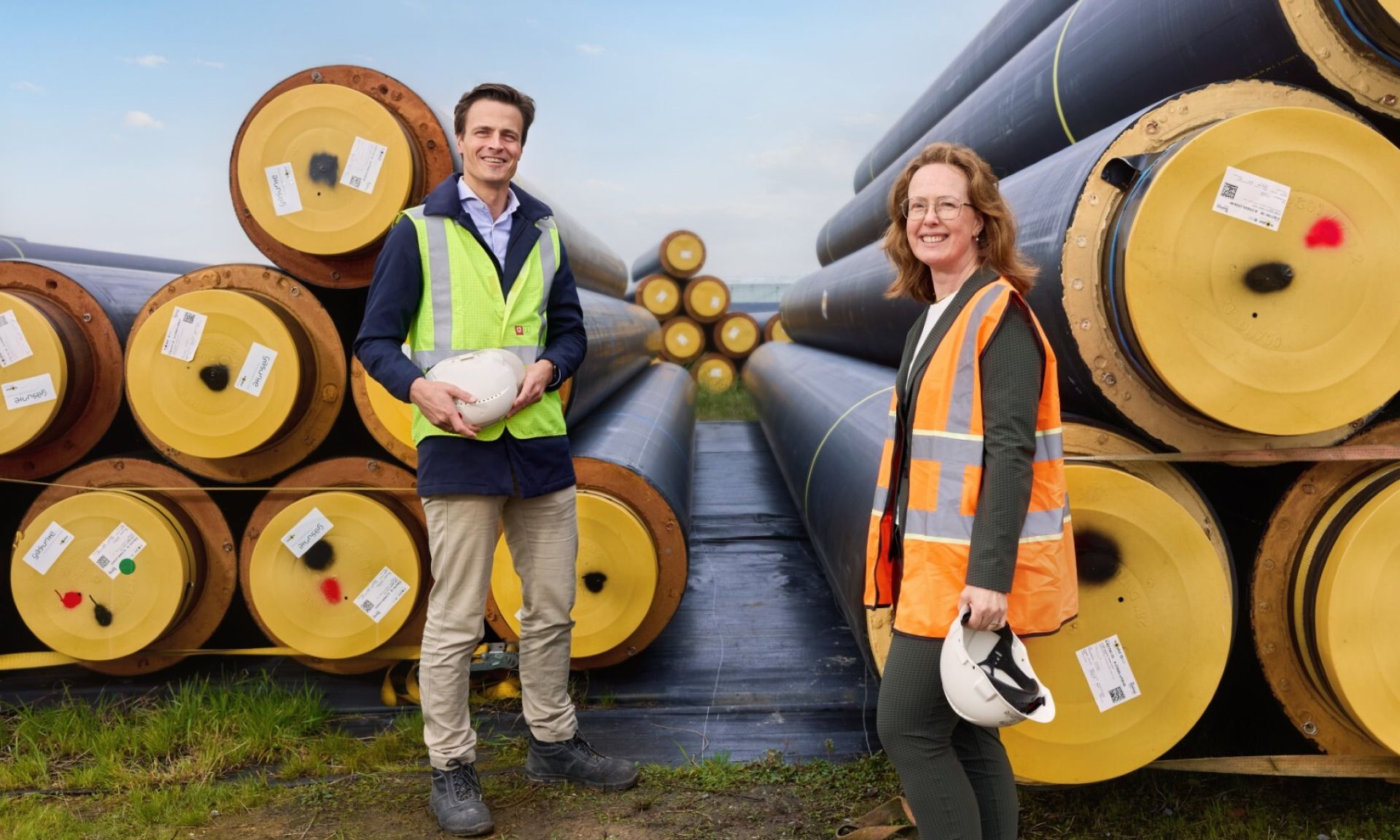
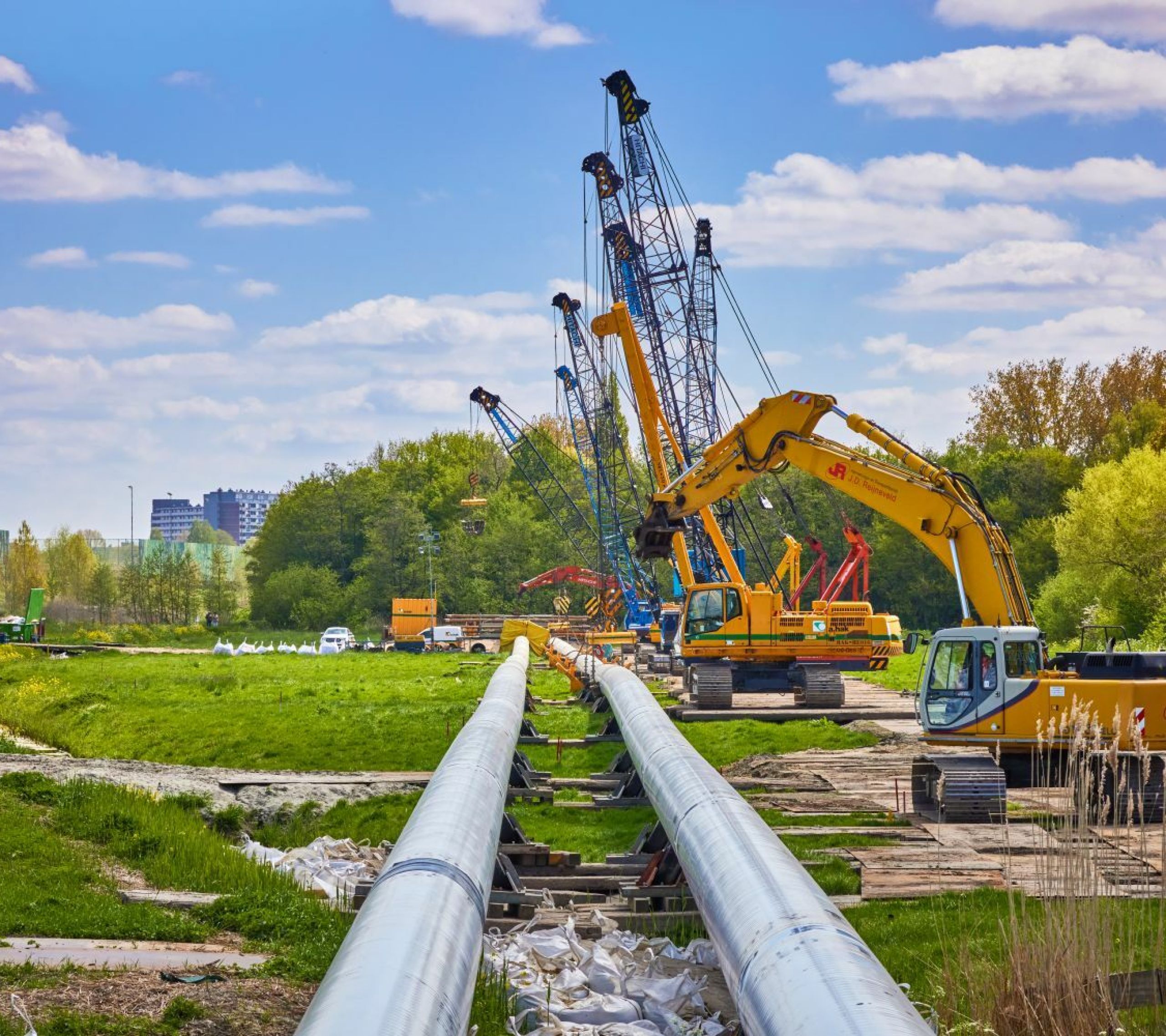
The Netherlands is working on a sustainable future, which is why Gasunie wants to contribute to the construction and operation of main heat transport pipelines.
Meer informatie over WarmtelinQWarmtelinQ

News and articles
News
The latest news on heat and heat grids.
-
Largest heat transport project in the Netherlands reaches major milestone
-
WarmtelinQ and Vattenfall reach new milestone in construction of heat transfer station in Leiden
-
WarmtelinQ starts work on Rijswijk–Leiden heat transport network


